Zodiac Wheel Embroidery Design: A Designer’s Real-World Review
First Impressions: Elegant, Balanced, and Thematic
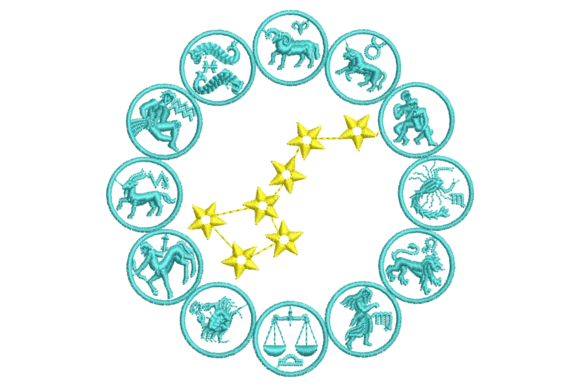
The first time I opened the Zodiac Wheel Embroidery Design, I was struck by its clean symmetry and thematic cohesion. It’s not just a collection of zodiac signs—it’s a visual narrative of celestial balance. The layout flows naturally in a circular format, giving it a meditative, almost spiritual feel. The design has a calm, elegant energy, making it ideal for handmade products that lean into wellness, mindfulness, or astrology-inspired aesthetics.
As a designer who frequently works with custom embroidery for boutique clients, I immediately thought of how this design could elevate a personalized tote bag or a minimalist sweatshirt. It's not overly busy, but still detailed enough to draw attention. There's a quiet confidence in the way the signs are arranged—no clutter, no imbalance. It feels intentional, which is rare in many embroidery files I’ve tested.
Real-Life Use: From Sweatshirts to Nursery Decor
I decided to test the Zodiac Wheel Embroidery Design on a few different materials to see how it would translate beyond the digital file. First up: a medium-weight cotton tote bag. The design stitched cleanly, with smooth satin borders and even fill stitches. The hoop size wasn’t too tight, and there was no puckering even after removing the stabilizer. On a tote like this, it makes a perfect center piece—subtle but meaningful.
Next, I tried it on a baby onesie. I was a little nervous about the size and detail level, but the design scaled down beautifully. The zodiac symbols remained recognizable, and the overall layout held up even on the smaller scale. It looked charming and just a little mystical—great for a baby gift with a personal touch. Just make sure to use a soft stabilizer to avoid stiffness on delicate baby clothes.
I also stitched it onto a sweatshirt for a client looking for a custom astrology-themed gift. It stitched out with confidence, and the customer was thrilled. The design’s circular nature makes it perfect for center placement on a chest or back panel. It felt like a premium custom touch, not just a generic embroidery.
Where to Use It Carefully
While the Zodiac Wheel Embroidery Design is versatile, it’s not a one-size-fits-all solution. On stretchy fabrics like knits or performance materials, I noticed slight distortion in the outer ring. Using a cutaway stabilizer helped, but it’s worth testing first. On dark fabrics, thread contrast becomes more critical—especially with the fine lines separating each zodiac section. I’d recommend checking thread color combinations in a mockup before committing to a final stitch.
Also, if you're considering this for curved surfaces like baseball caps, be mindful of how the circular layout might stretch or compress depending on the cap’s shape. I tried it on a curved panel and had to slightly adjust the hoop placement to maintain symmetry. It worked, but required more attention than a standard flat application.
For very small hoop sizes, this design may not be ideal. The zodiac symbols need room to breathe, and crowding them can make the details look muddy. If you're working with limited space, consider simplifying the surrounding elements or choosing a smaller-scale design instead.
Impact on Product Appeal and Customer Perception
From a product value standpoint, this design adds a layer of storytelling. Whether it's on a personalized gift or a boutique sweatshirt, it invites conversation. I’ve noticed that customers tend to connect more with embroidered items that have a theme or meaning behind them, and the Zodiac Wheel definitely fits that category.
It also提升了 the perceived professionalism of a finished product. Even on a simple kitchen towel or tea towel, the design looks intentional and well-balanced. For Etsy sellers or small shop owners, that kind of presentation matters—it builds trust and encourages repeat purchases.
When used consistently across product lines—like a series of zodiac-themed baby clothes or a collection of tote bags for a spiritual shop—it helps with brand recognition. The design has a strong visual identity that can become part of your product line’s personality, especially if you're targeting astrology lovers or wellness-oriented customers.
Designer Notes: What to Check Before Stitching
Before diving into a project with the Zodiac Wheel Embroidery Design, here are a few practical tips I picked up during testing:
- Test on scrap fabric first, especially if you're using a new material or stabilizer type.
- Check thread color contrast by using a black and white mockup. This helps you see how the design will read without the distraction of color.
- Verify hoop size compatibility with your machine before starting a client project.
- Review stitch density, particularly in the outer wheel and sign details. Too dense and it may pucker; too light and the design may look sparse.
- Inspect small details like the lines between zodiac signs. These can sometimes break or pull on textured fabrics.
- Use the right stabilizer for your fabric type—cutaway for stretchy materials, tear-away for stable cottons.
- Confirm licensing if you're selling finished items or digital embroidery products. Make sure the design is cleared for commercial use.
Also, keep in mind how the design will hold up with repeated washing. I tested it on a tote bag that went through a few cycles and it held up well, but always advise clients to follow proper care instructions to maintain stitch integrity.
Final Thoughts: A Thoughtful Addition to Your Design Library
The Zodiac Wheel Embroidery Design isn’t just another file in your collection—it’s a versatile, meaningful design that can elevate your work if used thoughtfully. Whether you're creating a personalized gift, a boutique sweatshirt, or a custom embroidered patch, this design brings a sense of balance and elegance that’s hard to find in mass-produced options.
As a designer who values both aesthetics and practicality, I’d recommend this design to anyone looking to add a touch of celestial charm to their embroidery projects. Just remember to test it thoroughly, consider your fabric and stabilizer choices, and use it where it shines the most. Done right, it’s a design that customers will remember—and ask for again.